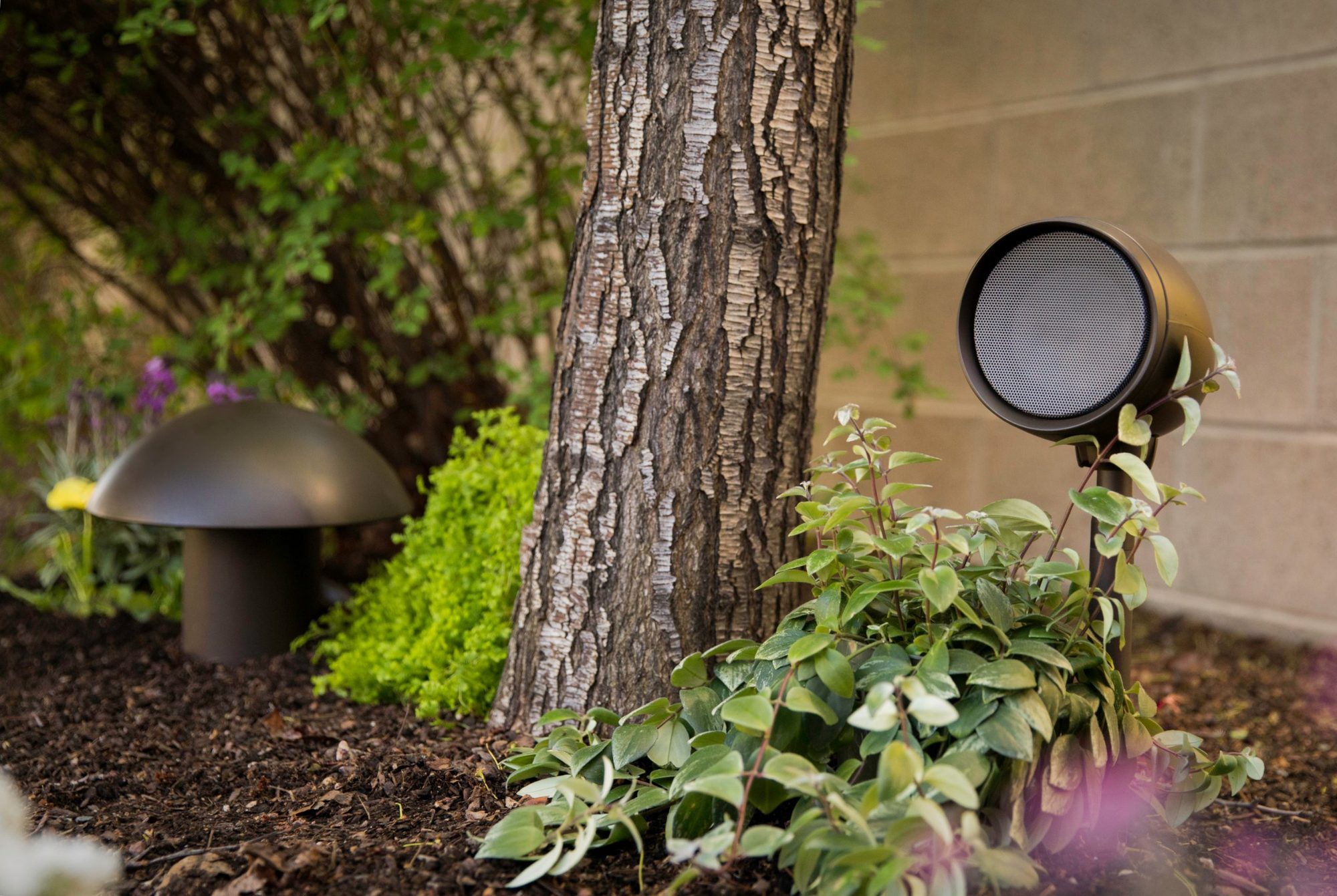
A great home theater is mostly decided before any equipment arrives. The room, the screen size, where the speakers go and how the wires get there matter more than any single product. Here is how to think through each one, with a few things that are specific to homes in South Florida.
Start with the room, not the gear
The best theater room is the one you can control. A dedicated room with few windows is ideal, but most families end up with a media room, a bonus room or the living room. That is fine, as long as you plan around three things:
- Light. Big windows and bright afternoon sun are part of living in Florida, and they wash out a picture fast.
- Sound. Tile floors, glass and hard walls make a room echo. Rugs, upholstered seating and curtains help more than people expect.
- Seating distance. Measure from where your eyes will be to the wall the screen will hang on. That number drives the screen size.
Choosing the screen size and type
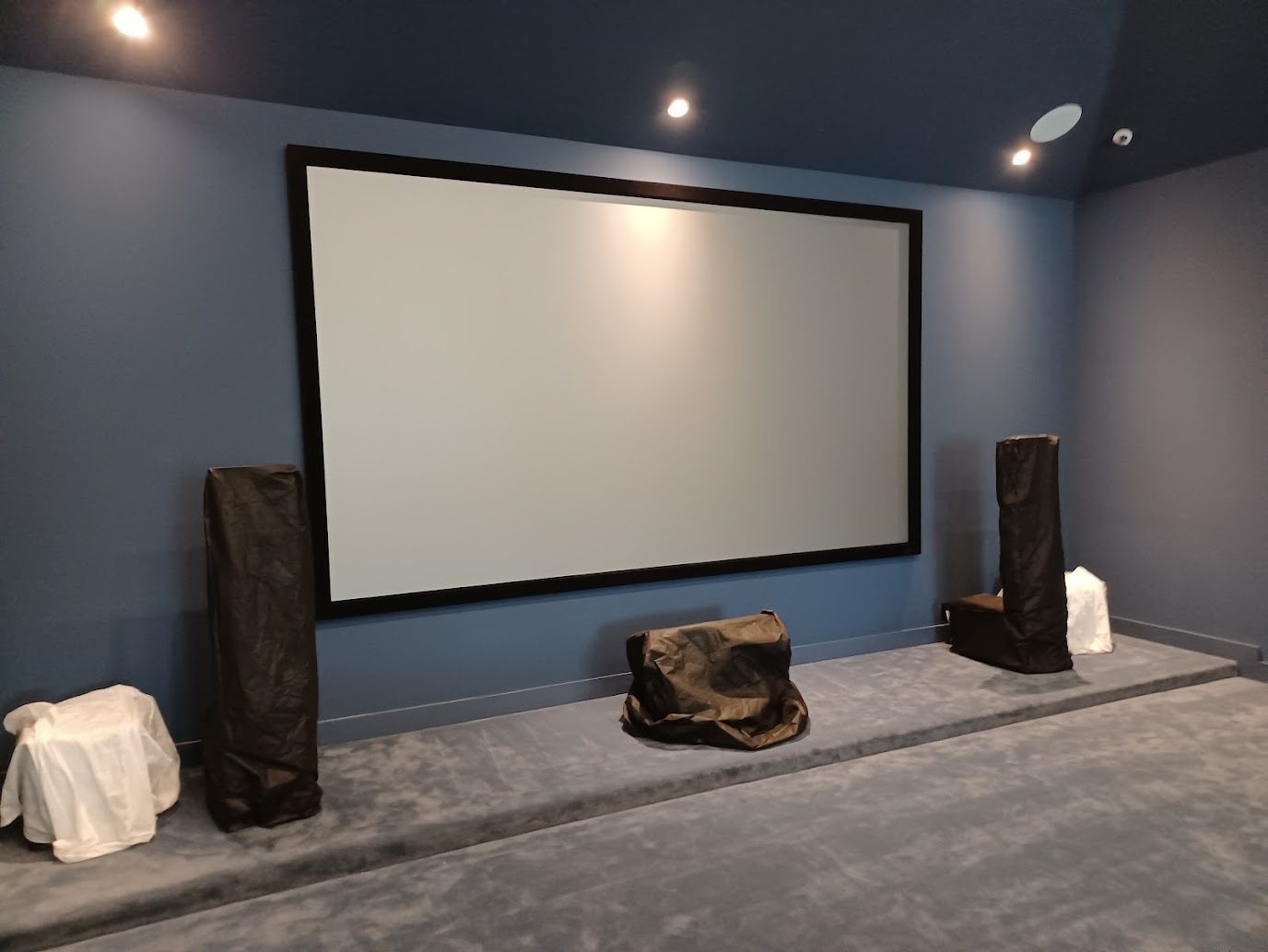
For 4K content, a common starting point is a seating distance of about one to one and a half times the screen's diagonal. Sit ten feet back and a screen somewhere around 85 to 120 inches will feel immersive without making you turn your head.
You have two broad choices:
- A large TV. Bright, simple, and it holds up well in a room with some daylight. Sizes now reach well past 85 inches.
- A projector and screen. The biggest image for the money and a true cinema feel, but it works best when you can make the room dark.
If the room gets real sun, a TV or an ambient light rejecting screen paired with motorized shades is usually the right call. If it is a dark, dedicated room, a projector is hard to beat.
Sound: where the speakers go
Surround sound is described with numbers like 5.1 or 7.1.4. The first number is the speakers around you, the second is the subwoofer, and the third is height speakers in or on the ceiling for formats like Dolby Atmos.
- 5.1 is a solid start for most rooms: three speakers up front, two to the sides and a subwoofer.
- 7.1 adds two speakers behind the seating, which works well when the couch is not against the back wall.
- Height speakers add sound from above, and in-ceiling models keep the room clean.
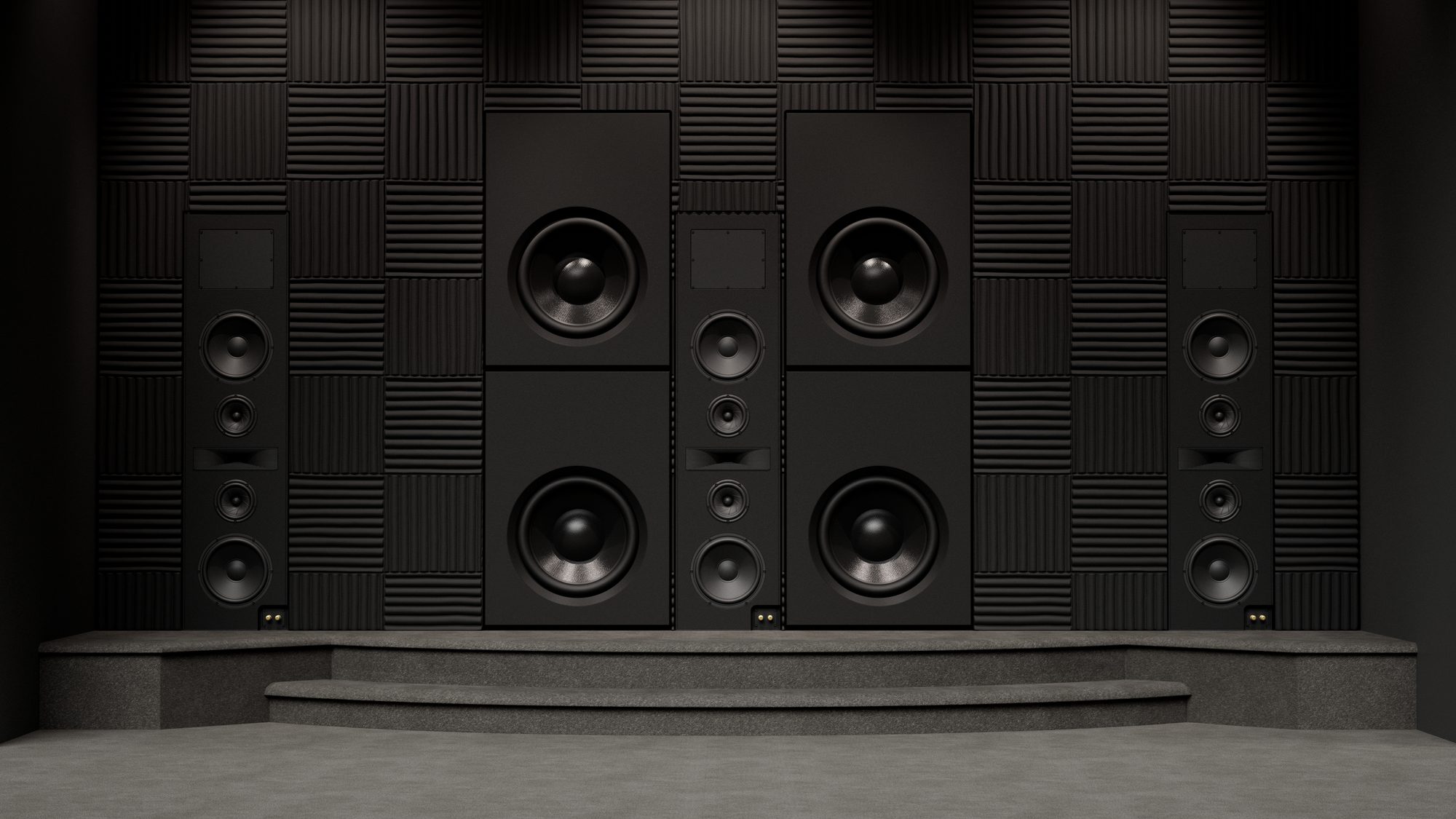
In-wall and in-ceiling speakers keep a room looking finished, which matters when the theater is also the family room. Placement should follow the seating, so decide where the couch goes before anyone cuts a hole.
Light control makes or breaks the picture
Motorized shades are one of the most worthwhile upgrades in a Florida theater. A single button can lower the shades, dim the lights and turn on the system together. Blackout fabric gives you a movie night at two in the afternoon, and lighter fabrics keep the view during the day.
Plan the wiring before the walls close
Many South Florida homes are built with concrete block exterior walls, which makes running new wire in a finished room harder. If you are building or renovating, this is the moment to run:
- HDMI or fiber HDMI from the equipment location to the screen, plus a spare conduit for future upgrades
- Speaker wire to every planned speaker location, including the ceiling
- Network cable to the TV or projector and the equipment rack
- Power where the projector or screen will be
Keep the equipment cool and out of sight
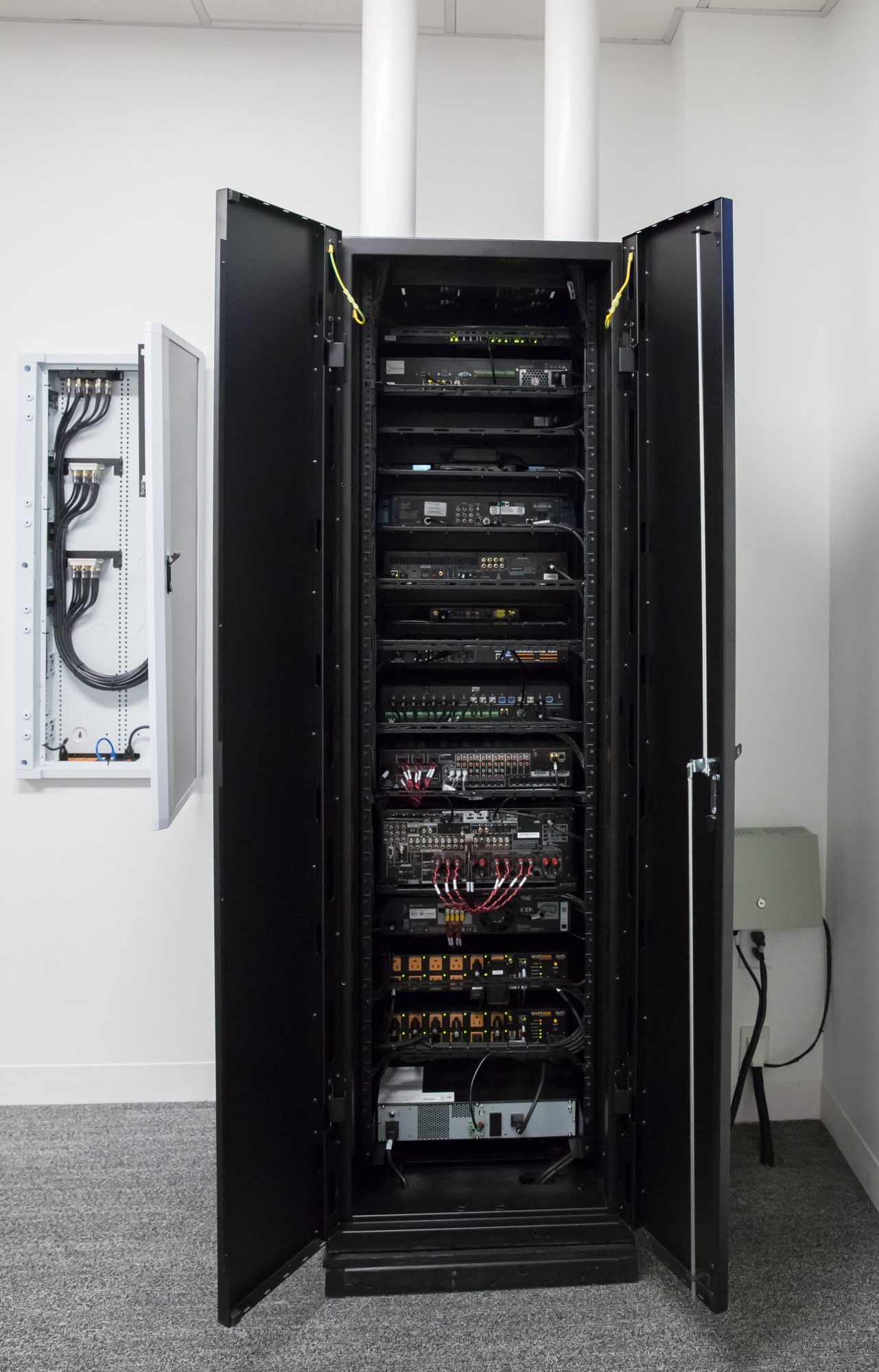
Receivers, amplifiers and streaming boxes give off heat, and Florida humidity is hard on electronics. A ventilated cabinet or rack, ideally in an air conditioned space, helps everything last longer. Put the gear in a closet or cabinet and a single remote or touch screen runs it all.
Bring it together with simple control
The best systems are the ones the whole family can use. One remote or a wall keypad that says "Watch TV" or "Movie" is worth more than a drawer full of remotes.
The goal is a room that feels like a theater when you want it and a living room the rest of the time.
Where to start
Measure the room, note the windows and decide where people will sit. With those three things, a good installer can recommend a screen, a speaker layout and a wiring plan that fits your budget and your home.